Feedback
AI Ad Video Example
Loading...
MiniMax H3 prompt
Use the MiniMax H3 prompt system to orchestrate shot lists, camera cues, and sound design for crisp 2K video with native stereo audio.
All Tools
Discover our comprehensive AI-powered animation toolkit
MiniMax H3
MiniMax H3 AI Video Generator
Seedance 2.5
The Future of AI Video Is Here.
Seedance 2.0
The Future of AI Video Is Here.

Veo3.1
Create Stunning Videos with Veo3.1
Kling 3.0
Next-Gen AI Video Generator
Grok Video Generator
Create Videos from Text or Images with AI
MiniMax H3 video generator
MiniMax H3 AI Video Generator
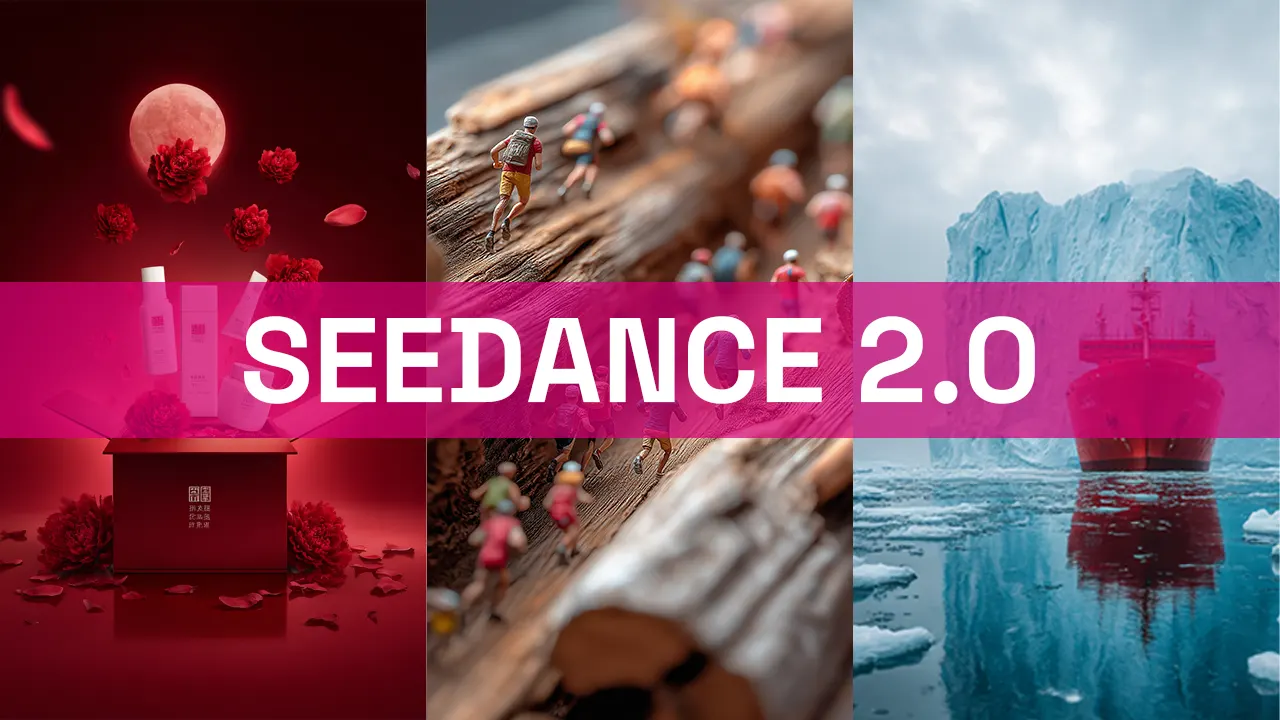
Seedance 2.0
The Future of AI Video Is Here.
The Real Value of Mastering the MiniMax H3 Prompt
Using the MiniMax H3 prompt framework, you control an open-weight multimodal video model that renders 5–15 second, 2K, 24fps clips with native stereo audio. Spend up to 7,000 characters assigning roles to every reference asset, plotting timecoded shot lists, directing camera language and audio design, and locking identity across cuts — all in one submission.
- Role Assignment for Every Reference AssetA key habit in the MiniMax H3 prompt guide: explicitly state what any image, clip, or audio file represents — mood, talent, product, style, or voice.
- Shot Lists Built on Timecoded BlocksSplit complex scenes into [0–2s], [2–4s] chunks within a single MiniMax H3 prompt, eliminating slideshow motion and giving your edit a proper storyline cadence.
- Director-Level Audio DirectionIn the MiniMax H3 prompt, plan music arrangement, sound effects, and cloned voice with the same detail as visuals — down to sub-bass, hi-hats, foley, and the timing of spoken lines.
How to Compose a MiniMax H3 Prompt
Follow this straightforward process to set up a professional MiniMax H3 prompt that yields 2K video with tightly synced audio.
Essential Tactics for the MiniMax H3 Prompt
A set of eight proven techniques for the MiniMax H3 prompt: reference roles, timecoded shot blocks, audio direction, exclusions, identity locking, edits with constraints, cinematic language, and physical transitions — all tailored for high-quality video generation.
Setting Boundaries with Negative Prompts
Use the MiniMax H3 prompt guide to state what should never appear — 'no soft dissolves', 'no garbled text', 'no jump scares' — guiding the model clear of unwanted results.
Preserving Identity and Visual Details
In the MiniMax H3 prompt, maintain characters, products, and settings shot after shot by recording defining traits — locks in hairstyle, clothing, props, and font styles.
Pairing Edits with Stability Rules
When you're editing an existing scene, combine each alteration with the elements that must remain constant in the MiniMax H3 prompt — achieving targeted updates rather than starting over.
Using Cinematographic Vocabulary
Bring camera grammar into play — framing, lens quirks, exposure, and film look like handheld shake, focus pulls, barrel distortion, and grain — all specified inside the MiniMax H3 prompt.
Treating Transitions as Physical Actions
Frame your edits as real-world motions — whips, motion blur, light smear, flicker — a more reliable strategy for the MiniMax H3 prompt than simply listing effects.
Total Command with 7,000 Characters
Pack a complete storyboard and sonic blueprint into one MiniMax H3 prompt — the full scene, timed cuts, audio direction, and restrictions in a single go.
Frequently Asked Questions: MiniMax H3 Prompt
Straight-to-the-point answers on crafting high-performing prompts for the MiniMax H3 video model.
What does the MiniMax H3 prompt guide actually cover?
It's a blueprint for using MiniMax's open-weight multimodal model. The MiniMax H3 prompt guide walks you through assigning roles to assets, building timecoded shot lists, directing sound, writing negative prompts, locking identity, and applying cinematic language to get 2K clips with native stereo audio.
Is there a limit on prompt length?
Yes, the maximum is 7,000 characters — plenty of room to include timed scene blocks, camera directions, sound design, and every constraint inside a single MiniMax H3 prompt.
What if I have several reference images or clips?
Give every media file a defined purpose in the MiniMax H3 prompt, for instance 'Image 1 sets the mood, Image 2 shows talent, Audio 1 provides voice.' The model supports 9 images, 3 video clips, and 3 audio pieces per request.
Is it important to write audio instructions?
Absolutely. In the MiniMax H3 prompt, treat audio as part of the shot — outline music progression, instrument timing, foley effects, and speech so the built-in sound lines up with your visual edit.
Can I keep the same character across multiple shots?
Yes. Pin down the character's look — hairstyle, outfit, accessories, and environment — in the MiniMax H3 prompt, then carry those details through every timed segment and edit.
Which mistakes should I steer clear of when writing a prompt?
Ambiguous pacing and uninvited aesthetics. Build the action in timed intervals rather than slide-show blocks, and include negative cues in the MiniMax H3 prompt to filter out anything you don't want.
Put the MiniMax H3 Prompt to Work Now
Use the MiniMax H3 prompt framework now to generate 2K video with native stereo audio — timed shot sequences, defined asset roles, cinematic camera grammar, and exact audio directions, all within a single prompt.